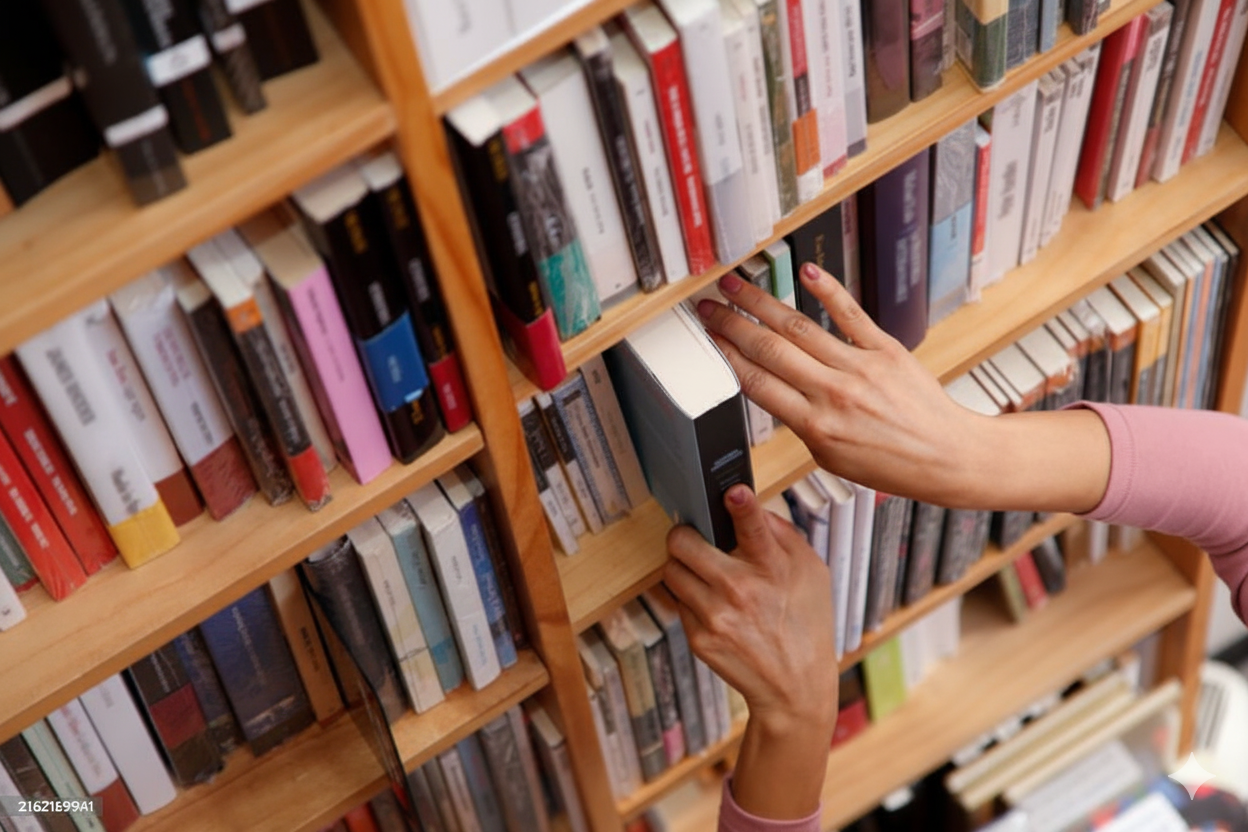


The Future of Online Book Selling: Key Trends to Watch in 2025

The Rise of Online Book Selling
The way people buy books has changed dramatically, and online book sellers are at the heart of this transformation. Gone are the days when you had to browse endless aisles in a bookstore to find the perfect read. Now, with just a few clicks, you can explore millions of titles, compare prices, and have books delivered straight to your door—sometimes even within hours. The rise of online book selling has not only made reading more accessible but also created new opportunities for independent sellers, self-published authors, and global book enthusiasts.
Convenience Is King: Why Online Bookstores Are Thriving
Let’s face it—buying books online is just easier. You can shop anytime, anywhere, without worrying about store hours or long checkout lines. Whether you're looking for a rare collector’s edition or a trending bestseller, online book sellers offer endless choices that physical stores simply can't match. Plus, features like customer reviews, personalized recommendations, and digital previews make the shopping experience more engaging. Readers love the ability to discover books based on their preferences rather than relying on what's available on a store shelf.
The Boom in Secondhand & Rare Book Sales
One of the most exciting shifts in online book selling is the growing demand for secondhand books. More readers are looking for affordable ways to expand their collections, and pre-owned books offer a budget-friendly solution. Online platforms now make it easier than ever to buy and sell used books, giving well-loved stories a second life. Collectors and book lovers are also fueling a surge in rare and antique book sales. Whether it’s a first edition or a signed copy, online marketplaces have made it possible for buyers to find hidden gems from around the world.
Self-Publishing & Direct Sales: A Game-Changer for Authors
Online book selling isn't just benefiting readers—it’s also empowering authors. The rise of self-publishing platforms has given writers full control over their work, allowing them to skip traditional publishing routes and sell directly to their audience. Independent authors can now reach readers globally, set their own prices, and market their books through social media and online ads. This shift is making the book industry more inclusive, giving new voices a chance to shine without the need for a big publishing deal.
AI & Automation in Book Selling: The Future is Now
Selling books online isn’t just about listing a title and waiting for buyers—it’s about smart strategies, efficiency, and staying ahead. That’s where AI and automation step in, making life easier for online book sellers by handling tasks that used to take hours. From pricing strategies to customer interactions, technology is changing the game, and if you’re not keeping up, you might be missing out.
AI-Powered Pricing: Stay Competitive Without the Guesswork
One of the biggest challenges for online book sellers is pricing. Set the price too high, and customers look elsewhere. Go too low, and you cut into profits. AI pricing tools analyze market trends, competitor prices, and demand in real time to suggest the perfect price point. These tools don’t just guess—they use data from thousands of listings to ensure your books are priced to sell while still maximizing profit.
Imagine this: You list a popular novel, but five competitors lower their prices overnight. Instead of manually adjusting your price, AI does it for you instantly, ensuring your listing stays competitive. With automation, you don’t have to babysit your pricing strategy—it works for you around the clock.
Chatbots & AI Customer Service: Helping Buyers 24/7
Great customer service is key to making repeat sales, but responding to every query personally can be overwhelming, especially if you’re selling books internationally. AI chatbots are stepping in to handle customer interactions, answering common questions about shipping, book conditions, and delivery times—all without you having to lift a finger.
Think about how many times you’ve answered the same questions: Is this book available in hardcover? How long does shipping take? Do you offer bulk discounts? Instead of typing out responses again and again, AI chatbots provide instant answers, improving customer satisfaction and freeing up your time.
Plus, AI-driven email marketing tools can send personalized recommendations to buyers based on their past purchases. If a customer bought a mystery novel, your system might suggest similar books they’d love—without you having to do a thing.

Why AI & Automation Matter for Online Book Sellers
The world of online book selling is getting more competitive, and staying ahead means working smarter, not harder. AI and automation are transforming everything from pricing and inventory to customer service, giving sellers more time to focus on growth rather than repetitive tasks.
By embracing these tools, you can optimize your business, increase sales, and provide a smoother experience for your customers. Whether you’re just starting out or already running a thriving online bookstore, automation isn’t just the future—it’s the present. Are you making the most of it?
Sustainable & Eco-Friendly Book Sales: Greener Reads for a Better Tomorrow
The world is going green, and book lovers are no exception! As an online book seller, you have the power to make a difference by embracing sustainable practices. From eco-friendly packaging to second-hand book sales, there are plenty of ways to reduce your environmental impact while still growing your business. So, if you’ve been wondering how to sell books sustainably without compromising on profits, let’s turn the page to a greener future!
Eco-Friendly Packaging: Less Waste, More Impact
Shipping books worldwide means packaging plays a huge role in sustainability. Traditional plastic wraps and excessive cardboard contribute to landfill waste, but you can switch things up with greener alternatives. Recyclable, biodegradable, or compostable packaging materials are great options that show your customers you care about the planet.
If you want to take it a step further, consider using minimal packaging or reusable book sleeves that customers can repurpose. Even small changes—like replacing plastic tape with paper tape—make a big impact over time. Many online book sellers now highlight their sustainable packaging choices in product descriptions, attracting eco-conscious buyers who prefer businesses that align with their values.
Carbon-Neutral Shipping: Delivering Books, Not Pollution
Shipping is one of the biggest contributors to a book’s carbon footprint, especially for online book sellers shipping internationally. But don’t worry—you don’t have to give up on global customers to stay eco-friendly. Many logistics companies now offer carbon-neutral shipping, which offsets emissions by investing in environmental projects like tree planting and renewable energy.
Another way to make a difference? Encourage bulk buying! Instead of shipping one book at a time, offer discounts on multiple-book purchases. This reduces packaging waste and lowers the overall carbon footprint per book. Some sellers also give customers the option to choose slower, more sustainable shipping methods, which often use less fuel than express delivery services.
A Greener Future for Online Book Sellers
Selling books sustainably doesn’t mean sacrificing profits—it means making smarter choices that benefit both your business and the environment. Whether it’s reselling pre-loved books, using eco-friendly packaging, or opting for carbon-neutral shipping, every step you take helps create a more sustainable book industry.
So, as an online book seller, how will you turn your bookstore into a greener space? The next chapter in book-selling is all about sustainability—let’s write it together!
The Growth of Emerging Markets for Books: A New Chapter for Online Book Sellers
The world of book-selling is expanding beyond traditional markets, opening doors to new readers in unexpected places. While the US, UK, and Europe have long been book-buying powerhouses, emerging markets in Asia, Africa, and Latin America are reshaping the industry. If you're an online book seller, now is the perfect time to explore these new opportunities and grow your reach globally. Let’s dive into why emerging markets are the next big thing for book sales.

A Rising Middle Class Means More Book Buyers
One of the biggest reasons emerging markets are booming for book sales is the rise of the middle class. Countries like India, Brazil, and Nigeria are seeing rapid economic growth, which means more people have disposable income to spend on books. Readers in these regions are eager to access international titles, whether for education, career growth, or entertainment.
As an online book seller, you can tap into this demand by offering books in multiple languages, accepting region-specific payment methods, and exploring affordable shipping options. The easier you make it for new readers to buy from you, the faster your global customer base will grow.
Local Literature is Gaining Global Attention
Emerging markets aren’t just consuming international books—they’re producing their own literary stars. Authors from regions like South Asia, Latin America, and the Middle East are gaining worldwide recognition, leading to a surge in demand for local literature. Readers in these markets are looking for books that reflect their own cultures, histories, and experiences.
As an online book seller, adding popular regional authors to your inventory can set you apart. Whether it's contemporary African literature or bestselling Indian fiction, expanding your catalog to include diverse voices can attract a whole new audience. The book world is becoming more inclusive, and smart sellers will ride this wave.
A Global Future for Book Selling
The book industry is no longer limited to a handful of big markets—emerging economies are reshaping the way books are bought, sold, and read. With more readers entering the scene, digital formats making books more accessible, and local literature gaining traction, now is the perfect time to go global.
If you're an online book seller, the next chapter of your business could be waiting in these growing markets. The question is: are you ready to turn the page and explore the opportunity?
Conclusion: The Future of Online Book Selling is Bright
The world of book selling is evolving at a rapid pace, and online book sellers who adapt to these changes will thrive. From the rise of AI and automation to the growing demand for sustainable practices, every trend presents a new opportunity to innovate and expand. Emerging markets are creating fresh audiences, while digital platforms are making it easier than ever for authors and sellers to connect with readers worldwide.
As technology, consumer habits, and global accessibility continue to shape the industry, the key to success lies in staying ahead of the curve. Whether you’re embracing AI-powered pricing, offering eco-friendly shipping, or tapping into new markets, the future of book selling is all about innovation and adaptability.
So, are you ready to turn the page and write your success story in this exciting new chapter of online book selling?
Recent Posts

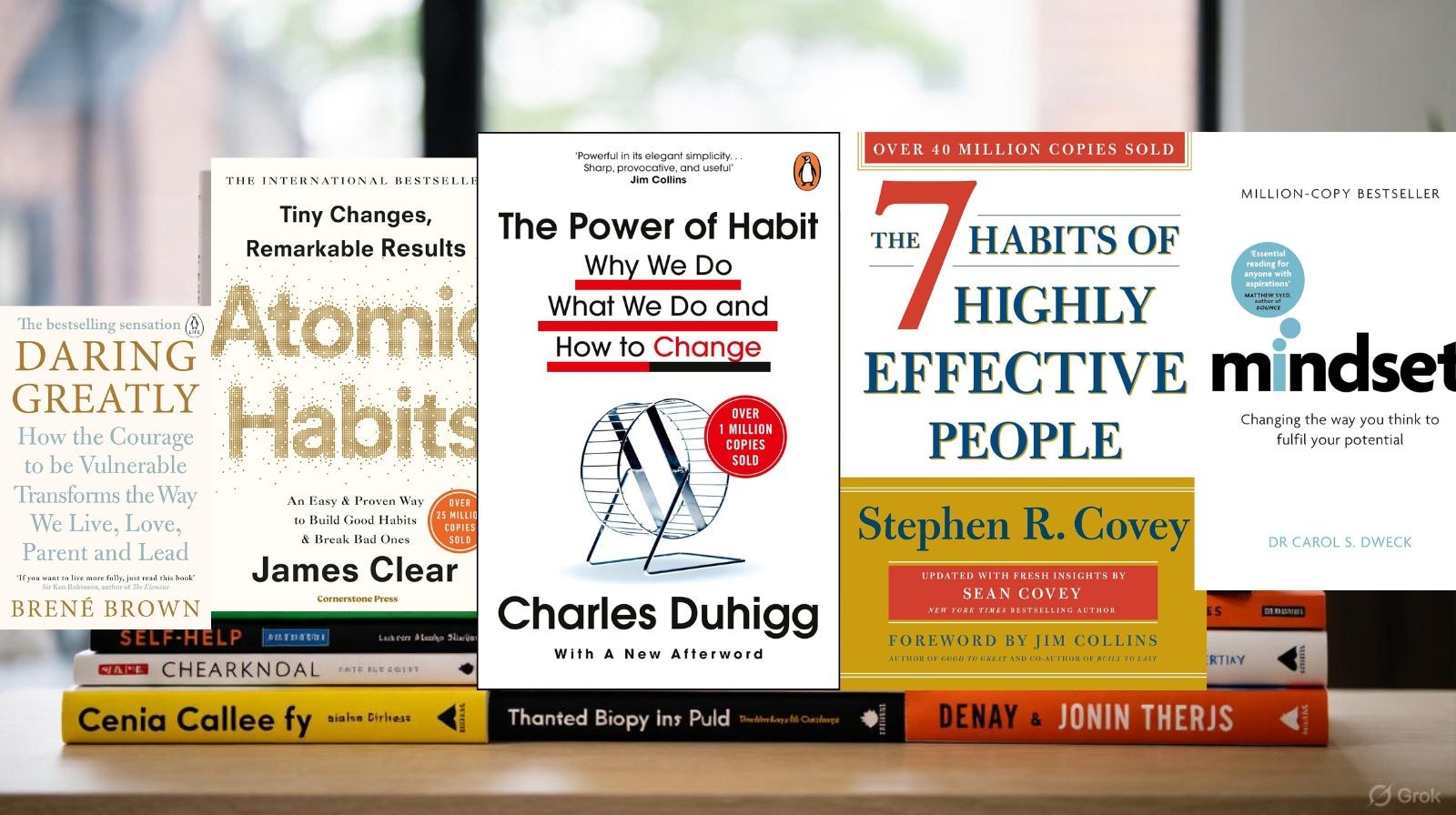

The Ultimate Global Book Sale: Up to 50% Off + Free Worldwide Shipping!
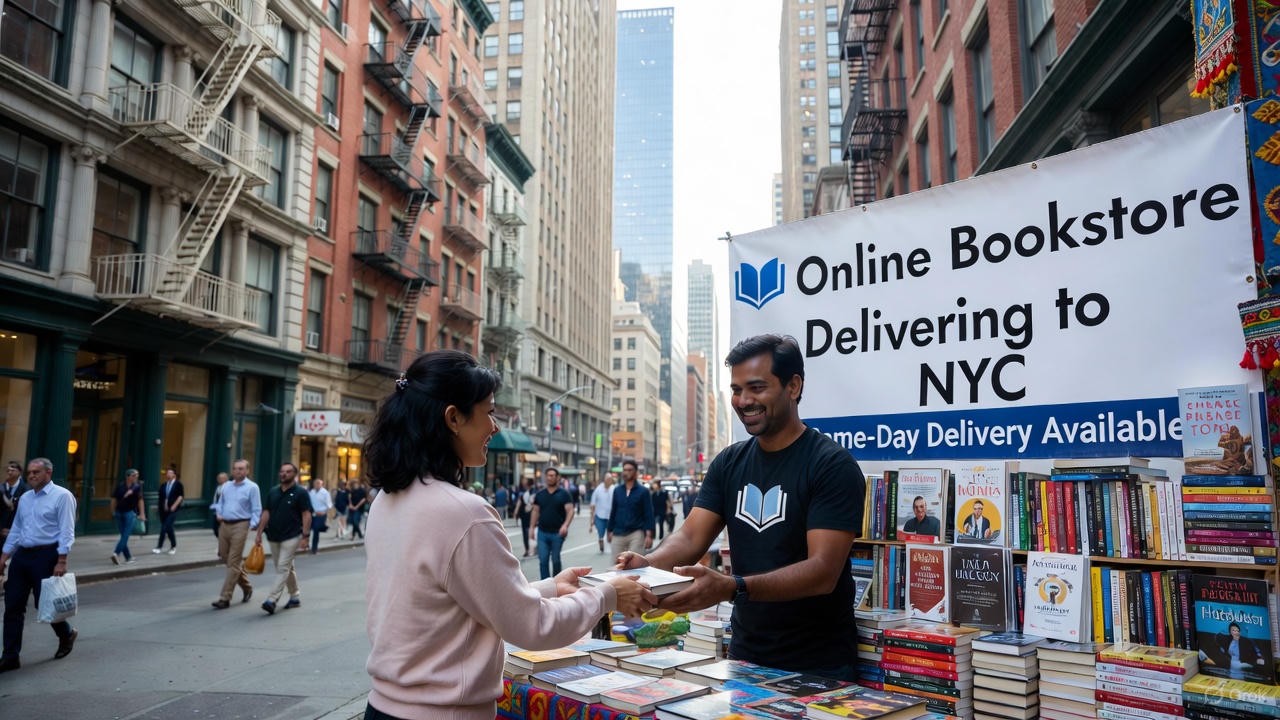
15 Best Bookstores in New York City 2026 – Why New Yorkers Are Switching to Online (Local’s Guide)

10 Must-Read Books for 2026 – Hand-Picked by AristaKart, Your Best International Online Bookstore