

Fiction Books to Spark Creativity
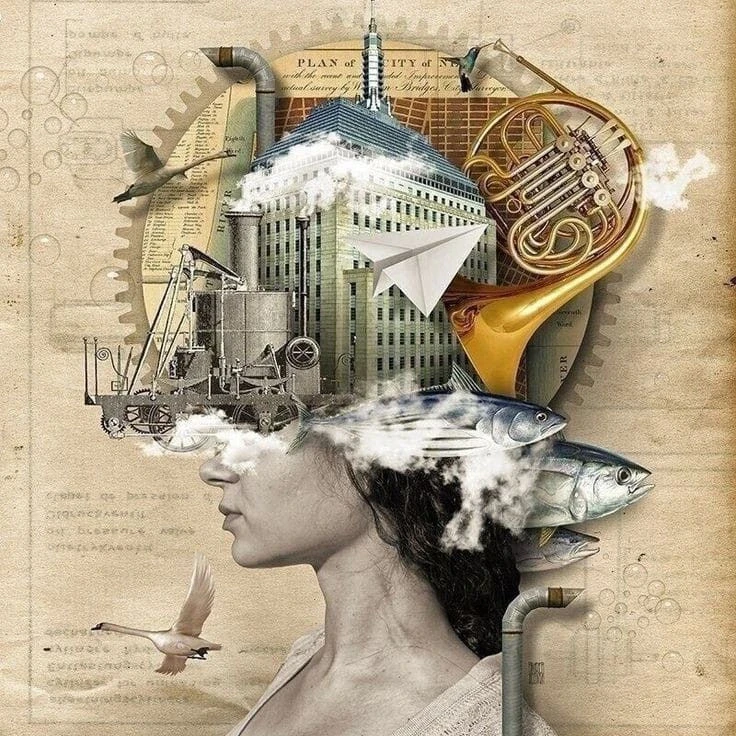
Ever feel like your imagination could use a little spark? Fiction books are like magic doors to other worlds—filled with dragons, dreamers, rebels, and wild ideas that push the limits of reality. You don’t need to be a writer or an artist to feel inspired. Sometimes, flipping through the pages of a good story can breathe new life into your everyday thinking.
Your outlook shifts, your emotions grow richer, and your dreams begin to reach further than before. If you’ve been stuck in a routine or want to awaken your inner storyteller, fiction books can be your perfect escape hatch. You’ll meet characters who think boldly, explore plots that twist and surprise, and dive into settings that tickle your brain.
Whether you love magical tales or modern-day messes, there’s something here to get your creativity flowing—one brilliant chapter at a time. Ready to turn the page?
Worldbuilding Wonders: Learning Imagination from Fiction
If you've ever lost track of time while reading about castles floating in the sky or underground cities run by talking cats—congratulations! You've experienced the joy of worldbuilding. Fiction books don’t just tell stories; they build entire worlds, brick by brick, with vivid details that make you feel like you’ve stepped right into them.
You-know-who benefits most from these imaginary journeys? You. While walking through a desert on a distant planet or listening to wizards argue about potions, your brain’s soaking up creativity like a sponge.
Big Worlds, Bigger Thinking
When authors invent entire worlds—complete with rules, maps, creatures, and cultures—it’s like a creativity workshop on every page. And as you follow along, you start making rules of your own. A mountain could float, a day could last a year—suddenly, your imagination knows no limits.
Fiction books filled with worldbuilding expand your ability to think differently. You realize problems don’t always need logical answers—they sometimes need bold ones. And whether you’re stuck on a work idea or planning a passion project, thinking creatively becomes second nature.
It’s All in the Details
The best fictional worlds feel real. Why? Because they’re full of thoughtful, tiny details. "The taste of soup in a world left in ruins. The songs sung in a magical market. These aren’t random—they anchor fantasy in emotion.
When you notice those details, you start seeing how they shape mood, tone, and vibe. You begin applying that same attention to your own ideas. Whether you’re planning a themed event or designing a brand mood board, your brain remembers the feeling of fully built worlds—and brings that richness to life.
Imagining Others Builds Empathy
Fiction books don’t just transport you—they help you feel from inside someone else’s skin. You live through the struggles of rebels, the heartbreak of outcasts, the courage of unlikely heroes. And you come back changed.
This emotional exercise builds empathy, not just imagination. "You might find yourself wondering, 'What journey brought them here?'" in real life too. That’s the real magic—books that stretch your creative and emotional range at the same time.
Character Depths: How Authors Write Unforgettable People
What makes a story stick with you forever? Usually, it’s the people. Or rather—the characters—who make you laugh, cry, and feel like you’ve just made a new friend (or enemy). Fiction books excel at creating people who feel so real, you could swear you’ve met them.
Behind every great character is an author who understands what makes people tick. Their pain, humor, habits, insecurities. And when you read fiction, you start understanding people—real and fictional—much better too.
It’s the Flaws That Make Them Human
Perfect characters? Boring. The ones that linger in your heart are those who mess up, doubt themselves, or try too hard. You see your own fears mirrored in theirs—and suddenly, you’re rooting for someone who isn’t even real.
It quietly reveals an important truth: being vulnerable is what truly brings people closer. And when you tell your own stories, personal or professional, you might find yourself being more open, more real. Just like the characters you’ve come to love.
Dialogue That Breathes Life
Some dialogue feels so natural, you’d swear you were eavesdropping. Great fiction captures not just what people say, but how they say it. The awkward pauses. The accidental truths. The way a joke hides a fear.
Reading this teaches you how real conversations work—and how to write or speak more authentically in your own life. You start to notice subtext, rhythm, tone. Suddenly, even small talk starts sounding a little more meaningful.
Watching Characters Change Changes You
One of the best parts of fiction is watching a character grow. From scared to brave. Selfish to generous. Lost to found. Their arc teaches you that change is hard, nonlinear, and very, very real.
When you follow those journeys, you start believing in your own growth too. You begin to reflect, evolve, and forgive—not just in your writing, but in your everyday life.
Plot Twists & Turns: Studying Storytelling Structure
Ever read a twist so good, you had to close the book and whisper “No way”? Fiction books are full of those moments—and they’re not just for drama. They're blueprints for building better stories.
Every plot is a masterclass in tension, rhythm, and payoff. The way stories start, rise, explode, and settle teaches you more about communication and creativity than any textbook ever could.
The Art of a Killer Beginning
The opening of a book doesn’t shout—it whispers, tempts, and invites. It introduces stakes without telling all. And if it’s done well, it makes you curious instantly.
That’s a tool you can steal. Whether you're writing a post, pitching a project, or making a video—lead with curiosity, not answers. Fiction teaches you to earn your reader’s attention.
Building Tension Bit by Bit
The rising action isn’t just about chaos—it’s about carefully placed conflict, emotional stakes, and mini victories. Great fiction makes you crave what’s next. It paces the story like a slow-burning fire.
This pacing trick helps you in everything from presentations to product storytelling. You learn to build up ideas instead of dumping them all at once.
Twist Smarter, Not Louder
The best twists aren’t random—they’re earned. A great story drops hints, foreshadows gently, and then flips your expectations in a way that makes sense. And your brain loves that.
By reading fiction, you start thinking in layers. Even your creative ideas become more interesting because you’ve trained yourself to think two steps ahead—just like a great author.
The Final Payoff
After the climax, comes the calm. Fiction teaches you how to land softly, how to wrap things up, how to leave the reader changed but satisfied. You learn that a great ending isn’t about tying every ribbon—it’s about emotional closure.
And guess what? Whether you’re crafting content, conversations, or campaigns—this emotional rhythm matters more than you think.
Using Fiction as Writing Fuel: Read More to Write Better
Here’s the secret to writing better: read more fiction. Seriously. No pressure. Simply grab a book and let yourself get lost in it.. That’s all it takes to improve your writing instincts, expand your vocabulary, and discover your voice.
Fiction books teach without teaching. They make you fall in love with words all over again—and help you shape your own in beautiful, surprising ways.
Fiction Trains Your Ear for Language
You don’t learn to write by memorizing grammar. You pick it up by absorbing the rhythm and flow of well-crafted language. Fiction fine-tunes your inner ear.
You start noticing tone, texture, and word choices. You get better at metaphor, rhythm, and flow—without even realizing it.
Better Characters, Better Writing
The more time you spend with layered, unforgettable characters, the more you understand how to build your own. Even if you’re writing about real people or brand stories, character work matters.
You start showing rather than telling. Feeling instead of forcing. "Before you know it, your words begin to carry more energy and depth."
Learning Structure by Osmosis
You don’t have to study story arcs. Fiction does the teaching for you. You read enough stories, and structure becomes second nature.
Your intros improve. Your middles hold interest. Your endings satisfy. Even writing an email feels more engaging. That’s the hidden power of reading stories well told.
Sparking Ideas Like Fireworks
Fiction is a goldmine of ideas. Settings. Conflicts. Characters. Moments. One line in a book can ignite your next blog, pitch, or poem.
Each page you turn quietly stocks your mind with fresh creative energy. Your imagination becomes a stocked pantry, ready to serve any idea.
Final Chapter: Why Fiction Books Deserve a Place on Your Creative Shelf
So what have we learned? Fiction books don’t just tell stories—they spark creativity. They create vivid, extraordinary realms that expand the boundaries of your imagination. They introduce characters so layered, they change how you see people. They teach you how stories work—from structure to suspense. And they quietly sharpen your writing and ideas.
You don’t need to be an author to gain something from it. You just need to be curious. Because the truth is, fiction books make you a more thoughtful, imaginative, and emotionally in-tune human. They help you dream differently. Express better. Think deeper.
Next time someone claims fiction is pointless, just offer them a book—with a knowing smile. Because while they see a fantasy novel, you know it’s a doorway.
A doorway to creativity. To empathy. To growth.
And when you step through that doorway—you don’t just become a reader.
You become a builder. A dreamer. A storyteller.
Recent Posts


The Ultimate Global Book Sale: Up to 50% Off + Free Worldwide Shipping!

15 Best Bookstores in New York City 2026 – Why New Yorkers Are Switching to Online (Local’s Guide)

10 Must-Read Books for 2026 – Hand-Picked by AristaKart, Your Best International Online Bookstore